
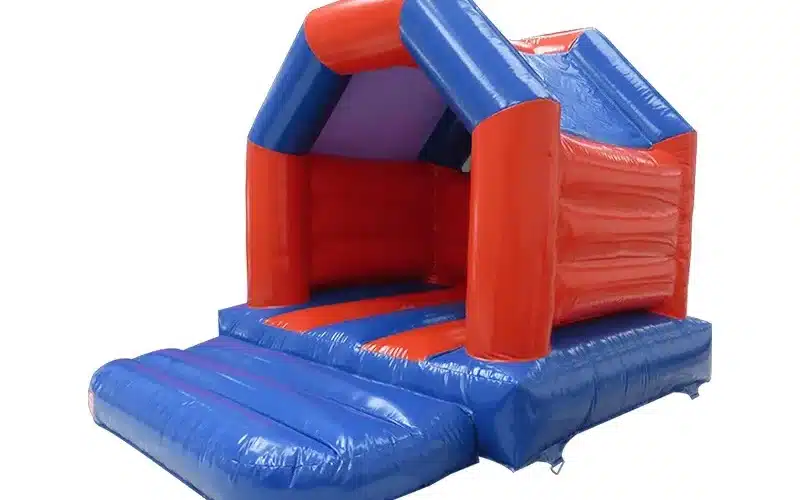
What Nobody Tells You About the Maintenance of Bouncy Castles
Bouncy castles are a staple of any fun event, from birthday parties to community fairs. They provide endless entertainment for children and adults alike, but what many people don’t realize is that they require regular maintenance to ensure they remain safe and enjoyable. Here are some essential maintenance tips that every bouncy castle owner or renter should know:
Regular Cleaning
One of the most critical aspects of bouncy castle maintenance is regular cleaning. After each use, the castle should be thoroughly cleaned to remove dirt, debris, and any spills. Use a mild detergent and water solution to wipe down the surfaces, and pay extra attention to areas where food or drinks may have been spilled.
Tip: Allow the bouncy castle to dry completely before storing it to prevent mold and mildew growth.
Inspect for Damage
Before and after each use, it’s essential to inspect the bouncy castle for any signs of damage. Look for tears, punctures, or loose seams that could compromise the structure’s integrity. If you notice any damage, repair it immediately using a patch kit or contact a professional for assistance.
Tip: Keep a patch kit on hand at all times to quickly address any minor damage.
Anchor Properly
Proper anchoring is crucial for ensuring the bouncy castle remains stable and secure during use. Before inflating the castle, check the ground for any sharp objects or uneven surfaces that could cause damage. Use sturdy stakes or weights to anchor the castle securely in place, especially in windy conditions.
Tip: Consider using sandbags or water weights as an alternative to stakes if you’re setting up the castle on hard surfaces like pavement or concrete.
Monitor Weight Limits
Every bouncy castle has a maximum weight limit that should not be exceeded. Before allowing anyone to enter the castle, check the manufacturer’s guidelines to ensure you’re not exceeding the recommended weight capacity. Overloading the castle can lead to structural damage and pose a safety risk to users.
Tip: Assign a responsible adult to monitor the number of users and ensure that the weight limit is not exceeded.
Store Properly
When the bouncy castle is not in use, it should be stored properly to protect it from damage and prolong its lifespan. Deflate the castle completely and fold it neatly, avoiding any sharp folds or creases that could cause stress on the material. Store the castle in a clean, dry area away from direct sunlight and moisture.
Tip: Consider investing in a storage bag or container specifically designed for bouncy castles to keep it organized and protected when not in use.
Regular Inspections
In addition to inspecting the bouncy castle before and after each use, it’s essential to schedule regular inspections by a qualified professional. A professional inspection can identify any potential issues or safety concerns that may not be visible to the untrained eye. Schedule inspections at least once a year or more frequently if the castle is used frequently.
Tip: Keep a maintenance log to track inspections, repairs, and any other maintenance activities to ensure the bouncy castle remains in top condition.
- Clean the bouncy castle after each use to remove dirt and debris.
- Inspect the castle for damage before and after each use, and repair any issues immediately.
- Properly anchor the castle to the ground using stakes or weights.
- Monitor weight limits to prevent overloading the castle.
- Store the castle properly when not in use to protect it from damage.
- Schedule regular inspections by a qualified professional to identify any potential issues.
By following these maintenance tips, you can ensure that your bouncy castle remains safe, clean, and enjoyable for years to come. Remember, proper maintenance is key to maximizing the lifespan of your investment and ensuring the safety of everyone who uses it.