
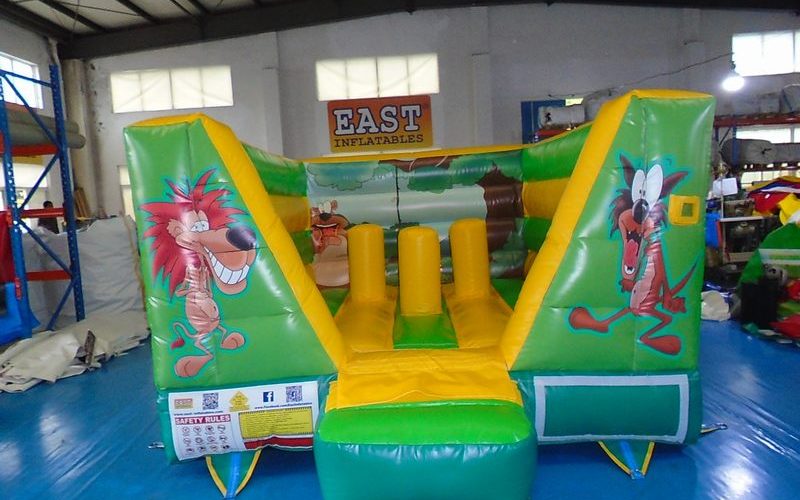
Correct storage is essential for protecting commercial bouncy castles and keeping them ready for future bookings. An inflatable that is packed while damp, rolled carelessly or left directly on a warehouse floor can develop mould, unpleasant odours, staining and material damage.
A reliable storage routine begins when the inflatable returns from a hire and continues until it is loaded for the next event. The following steps can help UK hire operators protect their equipment, organise their warehouse and reduce avoidable repair costs.
Start the Storage Process at Collection
Storage preparation should begin before the inflatable leaves the event site.
When collecting the unit, remove loose dirt, leaves and rubbish before deflation whenever possible. Check the surface for wet areas, mud, food, face paint or other marks that may require further attention.
Make a note of any problems reported during the hire, such as:
- Unusual air loss
- Damaged netting
- Loose seams
- Missing accessories
- Faulty electrical equipment
- Excessive dirt or moisture
Recording these issues immediately reduces the risk of damage being overlooked when the equipment returns to the warehouse.
Separate Wet Returns From Dry Equipment
British weather means that some inflatables will return wet, even when rain was not expected. Damp units should never be placed directly into the ready-for-hire storage area.
Create a separate section for wet or dirty returns. This prevents moisture and mud from being transferred to clean equipment and makes it clear which units require attention.
A wet inflatable should be unrolled, inflated and dried as soon as practical. Leaving it tightly packed can trap moisture between layers of PVC, creating the conditions for mould, staining and persistent odours.
If several wet inflatables return at the same time, label each roll so that none is forgotten.
Clean the Inflatable Before Storage
An inflatable does not always require a complete deep clean after every booking, but it should be checked and cleaned before it is returned to storage.
Pay particular attention to high-contact and high-traffic areas, including:
- Entrance steps
- Bounce beds
- Slide platforms
- Slide surfaces
- Safety walls
- Climbing sections
- Netting
- Handles
- Front aprons
Remove loose dirt first, then clean the surface using a suitable method and products that will not damage the PVC, stitching or printed artwork. Avoid harsh chemicals unless they have been approved for use on the material.
Allow any cleaned areas to dry fully before rolling the unit.
Make Sure It Is Completely Dry
Drying is one of the most important parts of inflatable storage. Even a small amount of trapped moisture can cause problems during extended storage.
Inflate the unit in a clean, well-ventilated area and allow air to circulate around it. Water may collect in seams, corners, entrance steps, rain covers and the lower parts of walls, so these areas should be checked carefully.
If necessary, reposition the inflatable during drying to release water trapped in folds or low sections. The underside should also be inspected, particularly when the unit has been used on wet grass.
Do not assume that the outside is dry simply because the visible surface feels dry. Internal folds and the base may still contain moisture.
Inspect High-Wear Areas
Storage provides a useful opportunity to identify damage before the next booking.
Inspect the areas that experience the greatest movement and pressure, including:
- Entrance and exit points
- Anchor points
- Steps and climbing sections
- Slide lanes
- Internal dividers
- Netting connections
- Blower tubes
- Zips and deflation outlets
- Seams around corners and obstacles
Look for cuts, worn stitching, loose threads, damaged netting, weakened anchor points and areas where the coating may be wearing.
Minor problems are usually easier to manage before they become larger repairs. If damage could affect safe operation, move the inflatable to a clearly marked repair area rather than returning it to hire-ready stock.
Record the Condition of Each Unit
A simple record helps operators monitor the condition of their equipment over time.
The record may include:
- Product name or identification number
- Date returned
- Cleaning status
- Drying status
- Damage found
- Repairs required
- Accessories checked
- Storage location
- Date of the next planned inspection
This does not need to be complicated. A spreadsheet, booking system or warehouse checklist can work well if it is updated consistently.
Good records are particularly helpful for companies managing several inflatables that have similar colours or themes.
Roll the Inflatable Consistently
Correct rolling makes commercial inflatables easier to move, store and prepare for the next hire.
Before rolling, open the deflation outlets and allow as much air as possible to escape. Follow the manufacturer’s instructions where available, as different inflatable designs may require different folding methods.
In general:
- Lay the inflatable as flat as possible.
- Straighten the walls, steps and blower tubes.
- Fold the sides towards the centre.
- Keep the final width suitable for the storage bag, trolley or handling equipment.
- Roll firmly and evenly from the opposite end of the air outlets.
- Release trapped air as the roll progresses.
- Secure the finished roll with suitable straps.
Avoid forcing a damp, uneven or oversized roll into a storage bag. A consistent rolling method makes equipment easier to identify, stack and transport.
Label Every Inflatable Clearly
A commercial inflatable can be difficult to identify once it has been rolled and covered. Clear labels prevent unnecessary unpacking and reduce loading mistakes.
Each label should contain useful information such as:
- Product name
- Product code or asset number
- Dimensions
- Approximate packed weight
- Number of sections
- Required blower
- Storage position
The label should remain visible when the inflatable is in storage. If the unit has more than one section, label every roll and show which sections belong together.
Accessories should also be linked to the correct inflatable where necessary.
Organise the Warehouse Into Working Zones
A growing hire fleet is easier to manage when the warehouse is divided according to the condition and purpose of the equipment.
Useful zones may include:
Ready for Hire
This area should contain clean, dry and inspected inflatables that can be loaded for upcoming bookings.
Returns
Newly collected equipment can be placed here until it has been assessed. It should not be mixed immediately with hire-ready stock.
Drying and Cleaning
This area should provide enough room to open, inflate or partially inflate equipment safely. Good ventilation and suitable drainage can make the process more efficient.
Repairs
Units awaiting repair should be clearly separated so that they cannot be loaded by mistake.
Accessories
Blowers, extension leads, ground sheets, stakes, mats and repair supplies should have their own organised storage positions.
A zoned warehouse makes the condition of each inflatable easier to understand at a glance and reduces the chance of unprepared equipment being sent to an event.
Keep Inflatable Rolls Off the Floor
Whenever possible, commercial inflatable rolls should not be stored directly on a concrete or warehouse floor.
Low pallets, suitable shelving or heavy-duty storage platforms can help protect the equipment from:
- Ground moisture
- Dirt and dust
- Minor flooding
- Accidental impact
- Pests
- Damage from warehouse traffic
The storage system must be strong enough for the weight of the equipment. Heavy rolls should be kept at a safe handling height and should not be placed on unsuitable high shelving.
Leave enough aisle space for staff and handling equipment to move safely.
Control Moisture, Temperature and Pests
The storage area should be clean, dry and well ventilated. Roof leaks, condensation and damp walls can damage equipment even when it was dry before storage.
Avoid placing inflatable rolls directly beside heaters, radiators or other sources of excessive heat. Long-term exposure to unsuitable conditions may affect PVC, adhesives, printed surfaces and electrical equipment.
Inspect the warehouse regularly for:
- Water leaks
- Condensation
- Damp patches
- Pest activity
- Sharp objects
- Unstable shelving
- Blocked access routes
If the warehouse is unused for extended periods, scheduled checks are still necessary.
Store Blowers and Accessories Separately
Blowers should be cleaned and visually inspected before storage. Remove loose dirt from the casing and check the plug, cable, switch and housing for visible damage.
Store blowers in a dry area where they are protected from impact and moisture. Avoid balancing them on inflatable rolls or leaving cables where they can be crushed.
Ground stakes, sandbags, mats, extension leads and repair kits should also have designated storage locations. Count accessories when equipment returns and again before the next booking.
Keeping these items separate from the inflatable rolls makes stock control easier and reduces the risk of a blower or essential anchoring equipment being forgotten.
Arrange Stock Around Booking Frequency
The most frequently hired inflatables should be the easiest to access. Seasonal or specialist products can be placed in less prominent storage positions when they are not in regular use.
Consider organising equipment by:
- Product type
- Theme
- Size
- Booking frequency
- Indoor or outdoor use
- Weight and handling requirements
- Upcoming booking date
Avoid creating a system that requires several heavy rolls to be moved whenever one popular inflatable is needed.
As the fleet grows, a numbered storage map can help staff find equipment quickly.
Prepare Carefully for Off-Season Storage
Some inflatables may remain unused for several months. Before placing a unit into longer-term storage, give it a more detailed clean and inspection.
Confirm that it is completely dry, record its condition and ensure that any necessary repairs have been completed. Do not leave damaged equipment in storage with the intention of dealing with it later, as the problem may be forgotten until the next booking.
During the quieter season, periodically inspect stored rolls for moisture, pest activity or changes in the warehouse environment.
Blowers and electrical accessories can also be checked before the next busy period begins.
Carry Out Regular Stock Checks
Equipment should not remain untouched simply because it is not currently booked.
Regular stock checks can confirm:
- The unit is in the correct position
- Its label remains readable
- The storage area is dry
- No repairs are outstanding
- The correct accessories are available
- The roll has not been damaged or disturbed
These checks are particularly important after heavy rain, roof maintenance, building work or any incident that may have affected the warehouse.
Use the Same Routine After Every Hire
A consistent process is more reliable than relying on memory. Every returned inflatable should pass through the same basic stages:
Return, assess, clean, dry, inspect, record, roll and store.
Using the same routine after every hire helps prevent wet equipment from entering the main storage area, reduces missed repairs and makes the next delivery easier to prepare.
Commercial bouncy castles are valuable business assets. Proper storage protects their condition, supports safer operation and helps hire companies provide clean, dependable equipment for every booking.